US bans Chinese humanoid robot imports over security risks
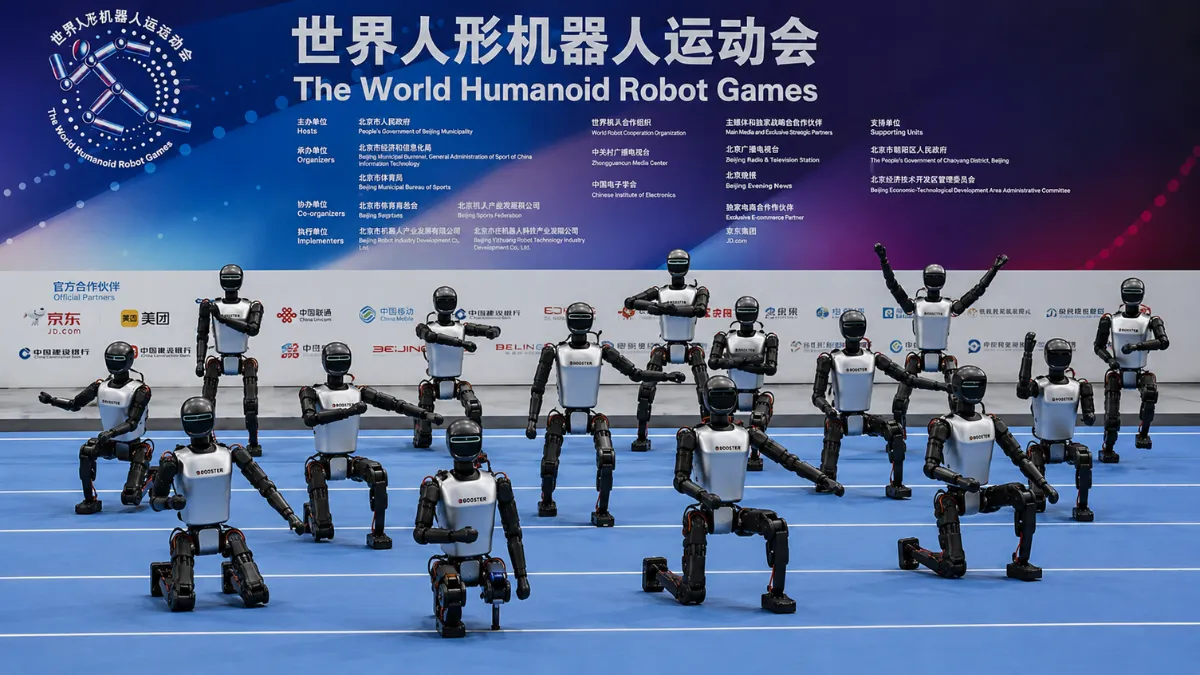

The US Federal Communications Commission banned new imports of foreign-made humanoid robots and quadruped robots on 29 July 2026, citing cybersecurity threats and supply chain vulnerabilities in a decision that effectively shuts Chinese manufacturers out of their largest export market.
The FCC added the devices to its Covered List — the agency's register of equipment deemed to pose an unacceptable risk to US national security. Power inverters used to connect renewable energy sources and batteries to the grid were included in the same ruling. Models already authorised for sale in the US are not affected; the restrictions apply only to new approvals.
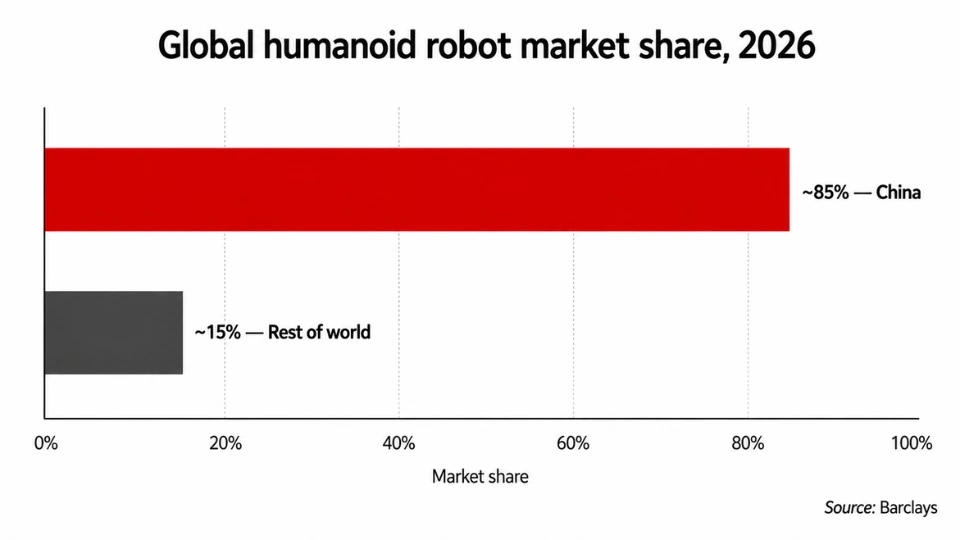
China currently holds approximately 85% of the global humanoid robot market, according to Barclays. The US was the largest overseas destination for Chinese-made androids in 2025, making the ban a direct strike at the commercial model Chinese robotics companies have built around American demand.
The FCC's decision followed a national security determination made by a White House-convened interagency task force, which concluded that internet-connected robots posed data privacy risks and could enable foreign actors to surveil US residents or compromise critical infrastructure. The agency cited the potential for foreign governments to exploit the robots' data-collection capabilities. These concerns echo those used to justify restrictions on Chinese-made drones in December 2025, when the FCC imposed similar prohibitions on DJI and other manufacturers.
FCC Chairman Brendan Carr said the agency would continue to work to secure critical US supply chains. The ruling takes effect immediately for any device not yet holding FCC authorisation — without which no electronic product can be imported, marketed, or sold in the US.
China's response was swift and unambiguous. Foreign Ministry spokesperson Mao Ning said Beijing opposes what she described as the US practice of abusing national security to suppress Chinese companies, and vowed the government would take necessary measures to defend Chinese interests. China's Ministry of Commerce followed on Thursday, accusing Washington of "unilateral bullying" and market distortion, and calling on the US to revoke the ban or face countermeasures.
The timing carries geopolitical weight beyond trade. Xi Jinping is scheduled to visit the US in September for a summit with President Trump, and analysts have described the ban as part of a sequence of pressure points Beijing faces heading into those talks. Samm Sacks, a senior fellow at the New America think tank, called it part of a steady drumbeat of potential flashpoints ahead of the summit.
The ban lands as several Chinese robotics companies are preparing for initial public offerings. Unitree, one of the sector's most prominent names, imported approximately 5,000 humanoid robots into the US in 2025 — one third of total global shipments that year. The company holds nearly one fifth of the global humanoid robot market and had partnered with Nvidia to use Blackwell AI chips in its products. In June, the Pentagon added Unitree to a list of companies it alleges maintain links to China's military, barring it from any contracts with the Department of Defense. That designation, combined with the FCC ban, now cuts Unitree off from two distinct US revenue streams.
Nvidia said its data from the Unitree partnership remains held in the US and that Unitree's primary US customers are academic and research institutions. The FCC ban does not retroactively affect existing commercial relationships, but the path for new authorisations is now blocked.
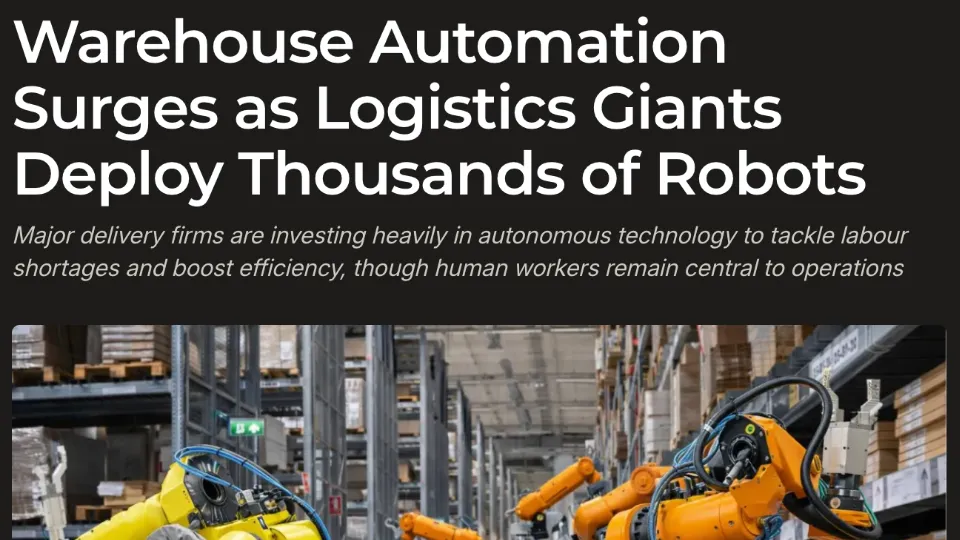
Morgan Stanley analysts forecast the global market for humanoid robots could reach $15 billion by 2030. Chinese manufacturers, according to Morningstar analyst Li Kangyuxiao, have been reducing costs and scaling production faster than overseas competitors, a dynamic the US restrictions are designed to interrupt. US-based firms working on warehouse automation at scale now face a narrower competitive field for domestic contracts.
For US robotics companies, the ban removes the most cost-competitive suppliers from the domestic market for new deployments. Tesla, Figure AI, and Boston Dynamics are among the firms most likely to benefit. All three have faced difficulties scaling manufacturing at the pace of Chinese competitors, and the protected market gives them room to develop without competing directly against firms that can produce at a fraction of the cost.
A LexisNexis report published on 29 July ranked six of the world's top 10 humanoid startups by patent strength as Chinese firms, with Chinese makers occupying the top five positions. Figure AI of San Jose and Germany's Agile Robots held the remaining spots in the top ten. The patent and market share data illustrates the depth of the advantage Chinese manufacturers have accumulated, and the scale of the disruption US firms need to achieve to fill the gap.
Soumen Mandal, principal analyst at Counterpoint Research, said the ban's timing was unlikely to be accidental given the cluster of Chinese robotics IPOs expected this year. The restrictions effectively limit those companies' ability to point to US market traction as a growth story in their prospectuses.
Lian Jye Su, chief analyst for AI and humanoid robots at Omdia, said the near-term disruption to Chinese US sales would be real, but expected the overall impact to be limited given the geopolitical tensions that have long been building between the two countries. Chinese manufacturers have been diversifying into European and Asian markets for precisely this reason.
The FCC ban follows chip tariffs and drone restrictions as part of a wider US strategy to reduce reliance on Chinese technology across sectors linked to AI, energy, and data infrastructure. Whether US robotics firms can capitalise on the protected market before Chinese manufacturers establish alternative routes to Western customers will define whether the ban achieves its industrial policy aim, or simply delays the competition.
More AI & Tech News



.webp)


Subscribe to Stay in the loop
Get the latest AI and technology news, honest tool reviews, and practical guides delivered straight to your inbox.
Success! Check your Inbox!

Tezons Newsletter
The latest technology news, in-depth tool reviews, and practical guides - curated and delivered to your inbox.
Latest News



Have any questions?
Didn’t find what you were looking for? We’re just a message away.