Apple Launches Integrated Video Podcasting Feature This Spring
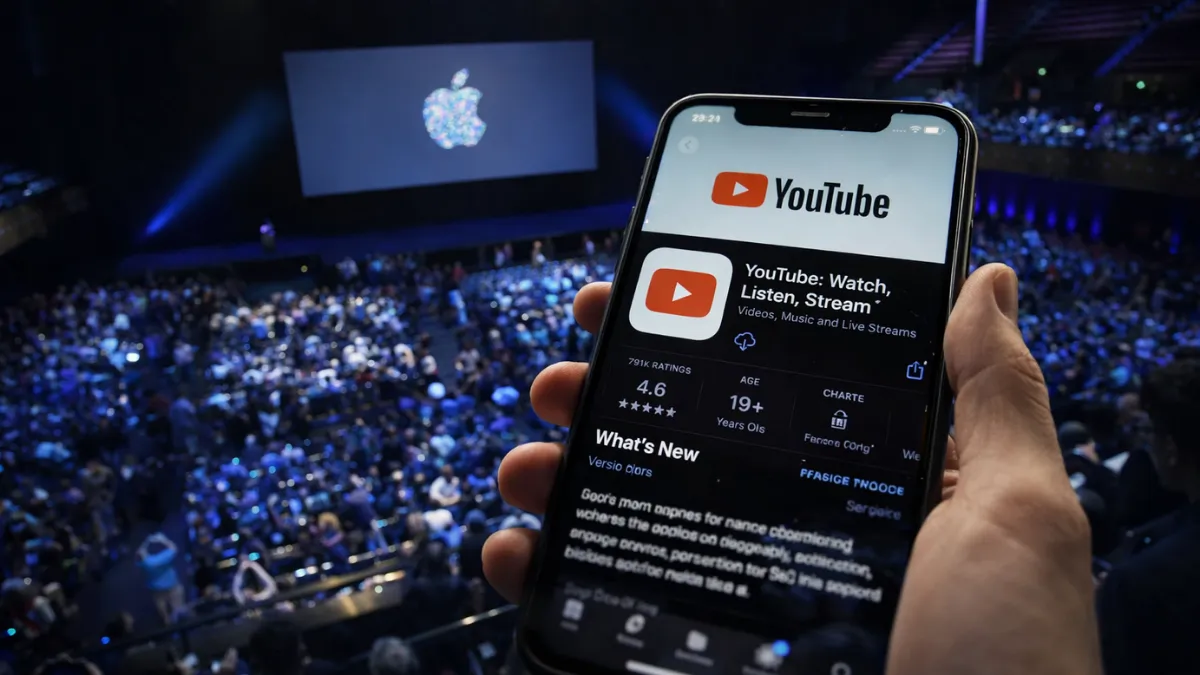

Apple has confirmed plans to introduce a unified video podcasting feature within its Podcasts application, scheduled to launch this spring. The enhancement enables content creators to distribute video and audio versions of their programmes through a single channel, eliminating the need for separate feeds.
The development responds to substantial growth in video podcast consumption. Research from Edison indicates that approximately 37 percent of individuals aged 12 and above now engage with video podcasts on a monthly basis, reflecting broader shifts in how audiences consume podcast content.
This functionality places Apple's offering alongside competing platforms including Spotify, YouTube and Netflix, which have expanded their video podcast capabilities in recent years. The move represents Apple's most significant update to its podcasting infrastructure since establishing the standalone Podcasts application over ten years ago.
Eddy Cue, Senior Vice President of Services at Apple, stated that the company initially helped popularise podcasting two decades ago by incorporating podcast support into iTunes. The new video integration aims to provide creators with comprehensive control over their content distribution whilst simplifying the experience for listeners and viewers.
Users will gain the ability to transition between video and audio playback within the same episode feed. The update includes picture-in-picture functionality and permits downloading of video episodes for offline access.
Whilst Apple Podcasts has technically supported video distribution via RSS feeds since 2005, this content remained isolated from audio counterparts. The forthcoming update adopts HLS (HTTP Live Streaming), a protocol Apple developed that enables adaptive streaming quality and expanded in-app controls.
The HLS implementation also supports dynamic advertisement insertion for video content. Creators working with compatible hosting services and advertising networks will be able to incorporate video advertisements, including presenter-read segments, directly into episodes.
Apple confirmed it will not impose charges on creators or hosting platforms for content distribution. However, participating advertising networks will face impression-based fees for delivering dynamic video advertisements through the HLS system.
Initial hosting partners supporting the HLS video format include Acast, ART19 (owned by Amazon), Omny Studio from Triton, and SiriusXM.
The announcement arrives as rival platforms continue expanding podcast investments. YouTube reported exceeding one billion monthly active users accessing podcast material on its service last year. Spotify has similarly broadened its video podcast catalogue and disclosed payments surpassing $100 million to podcasters during the first quarter of last year alone.
Netflix entered the video podcast sector through a partnership with Spotify, bringing podcast programming to its streaming platform. The company has commenced production of original video podcast content, including programming that debuted in January.
Apple does not publish separate financial data for its Podcasts platform. However, its Services division, encompassing digital content and subscriptions, generated $30 billion in revenue during the most recent quarter.
In January, Apple acquired Q.ai, an artificial intelligence company based in Israel, for an undisclosed sum. Details of the acquisition remain limited, though Q.ai had been developing audio-focused AI technologies prior to the purchase.
Industry impact and market implications
Apple's integration of video podcasting capabilities signals intensifying competition within the podcast distribution sector, where platform differentiation increasingly depends on technical features and monetisation tools. The adoption of HLS streaming technology may establish a new technical standard for podcast video delivery, potentially influencing how competing platforms approach adaptive streaming and advertisement integration.
The impression-based advertising fee structure represents a strategic revenue approach that monetises the platform without directly charging content creators or hosting services. This model could reshape podcast advertising economics by shifting costs to ad networks whilst maintaining creator accessibility to Apple's substantial user base.
The timing coincides with broader industry consolidation, as evidenced by streaming platforms including Netflix entering podcast distribution. This convergence between traditional streaming video services and podcast platforms may accelerate, potentially transforming podcasting from an audio-first medium into a more hybrid content format.
For hosting providers and advertisers, supporting HLS integration may become commercially necessary to maintain reach within Apple's ecosystem. The announcement of major hosting partners suggests industry alignment with Apple's technical direction, which could influence standardisation across the podcast technology landscape.
The acquisition of Q.ai, whilst not directly addressed in the announcement, suggests Apple may be developing AI-enhanced audio processing capabilities that could later differentiate its podcast offering through automated transcription, content discovery, or personalisation features.
More AI & Tech News




.webp)


Subscribe to Stay in the loop
Get the latest AI and technology news, honest tool reviews, and practical guides delivered straight to your inbox.
Success! Check your Inbox!

Tezons Newsletter
The latest technology news, in-depth tool reviews, and practical guides - curated and delivered to your inbox.
Latest News




Have any questions?
Didn’t find what you were looking for? We’re just a message away.