Apple and Xbox raise device prices amid AI chip shortage

- Apple has raised MacBook and iPad prices by close to 20% across its US and UK stores
- Xbox console prices are rising by up to $150, putting new consoles 30% to 40% costlier than a year ago
- Memory chipmakers expect storage and RAM costs to double again by 2027 as AI data centre demand keeps climbing
Apple has raised prices on some MacBook and iPad models by close to 20%, and Microsoft has pushed up the price of the Xbox console for the second time in under a year, as memory and storage chip costs surge worldwide.
Both companies point to soaring demand for the chips that power AI data centres. Apple called the situation an "unprecedented challenge" in a statement, while Xbox cited a "components crisis" hitting console hardware harder than most other devices.
Apple's price increases hit laptops and tablets across its US and UK stores. The MacBook Pro with 1 terabyte of storage rose from $1,699 to $1,999 on Apple's US site. In the UK, the Neo, Apple's entry-level laptop, climbed from £599 to £699 within months of launch. Apple said it had "shielded our customers from these increases so far" but had reached the point where holding prices was no longer possible.
Microsoft's price rise affects the Xbox console range from August. The base console will rise by $100 to $499, and the higher-memory model will rise by $150 to $749. Microsoft had already raised Xbox prices once in October, by between $20 and $70. Combined, the two increases put new consoles 30% to 40% more expensive than a year earlier. Microsoft said it had "hoped another price increase would not be necessary" but blamed rising memory and storage costs directly.
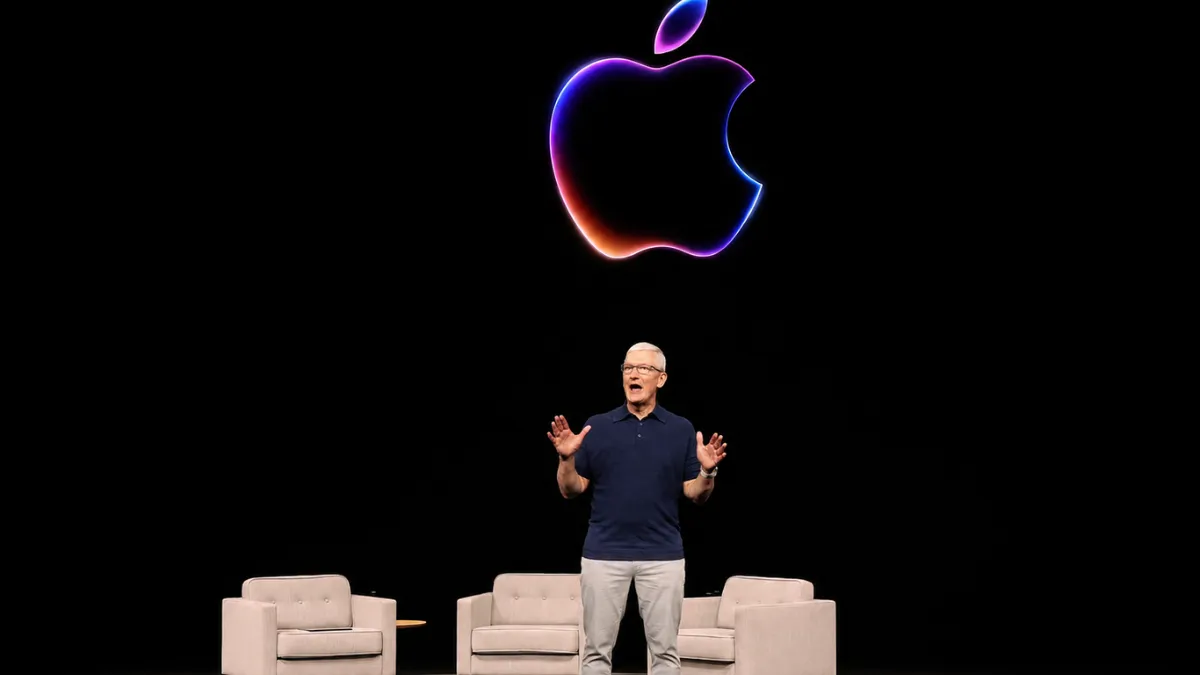
Tim Cook, Apple's outgoing chief executive, told the Wall Street Journal earlier in June that price rises were "unavoidable" given what he called an "unsustainable" situation around memory chips. He said the industry needed memory pricing and supply to return to "reasonable levels" for consumer products.
The driver behind both price rises is the same: a global scramble for RAM and storage components, much of it tied to the buildout of data centres for AI infrastructure. Demand for memory chips to run AI workloads has outpaced supply, pushing up costs for manufacturers across the consumer electronics industry, not just smartphone and laptop makers.

Memory chipmakers sell the same type of RAM and flash storage into two very different markets at once. Data centre operators buy in bulk to fit servers that train and run AI models, while device makers such as Apple and Microsoft buy the same components for consumer hardware. Data centre demand has spiked through 2026, and that pulls supply away from device makers and pushes up the price everyone pays. Analysts have described the imbalance as structural rather than temporary, since new chip fabrication capacity takes years to build and bring online.
Microsoft expects no relief soon. The company said memory and storage costs had already more than doubled, and it expects them to double again by 2027, leaving open the possibility of further Xbox price rises before that period ends.
Other companies in the supply chain are seeing the same pressure:
- Taiwan Semiconductor Manufacturing Company (TSMC), which makes chips for Nvidia, AMD and Apple, has said inflation is raising its own cost of doing business. Wendell Huang, TSMC's chief financial officer, said earlier in June that the company had not ruled out price increases of its own.
- Valve dropped its original price target for its Steam Machine gaming PC, launching instead at £879 in the UK and $1,049 in the US.
- Apple, Microsoft and Valve now sit in the same position: absorbing or passing on costs tied to the same component shortage.
Tech analyst Paolo Pescatore said Apple's move shows the AI boom is now reaching consumer electronics directly, calling it "a significant moment" because even a company with Apple's scale and buying power is no longer shielded from rising component costs. David Naranjo of Counterpoint expects other PC and tablet brands to follow Apple's lead in one of three ways:
- Raising prices on select high-memory or high-storage models, while leaving entry-level pricing untouched for now.
- Cutting promotional discounts rather than raising headline prices, which has the same effect on the price shoppers pay.
- Shifting product line-ups toward premium devices, where margins absorb higher component costs more easily than budget models.
Dipanjan Chatterjee of Forrester argued Apple's loyal customer base would absorb the increase with limited backlash, noting that few companies could survive a price rise as cleanly as Apple. That resilience does not extend to the wider console market, where Xbox faces direct competition from Sony and Nintendo on price-sensitive shoppers.
The price pressure is not new for chipmakers. Tezons reported in October that the Trump administration's 25% tariff on AI chips added a separate layer of cost to the same supply chain Apple and Microsoft now blame for their price rises. That tariff targeted chipmakers directly. The current shortage sits further upstream, in the memory and storage components that go into finished devices.
Xbox's leadership has been managing the fallout in public for months. Asha Sharma, who took over as Xbox's chief executive earlier this year, now faces a second console price increase on her watch, with Microsoft signalling a third is plausible if component costs double again as forecast.
Apple has not said whether further price increases are planned beyond the current round of MacBook and iPad changes. Microsoft has been more direct, telling customers to expect the components crisis to continue shaping console prices through at least 2027.
More AI & Tech News



.webp)


Subscribe to Stay in the loop
Get the latest AI and technology news, honest tool reviews, and practical guides delivered straight to your inbox.
Success! Check your Inbox!

Tezons Newsletter
The latest technology news, in-depth tool reviews, and practical guides - curated and delivered to your inbox.
Latest News




Have any questions?
Didn’t find what you were looking for? We’re just a message away.