China Posts Historic $1.19 Trillion Trade Surplus Amid Global Tariff Pressures
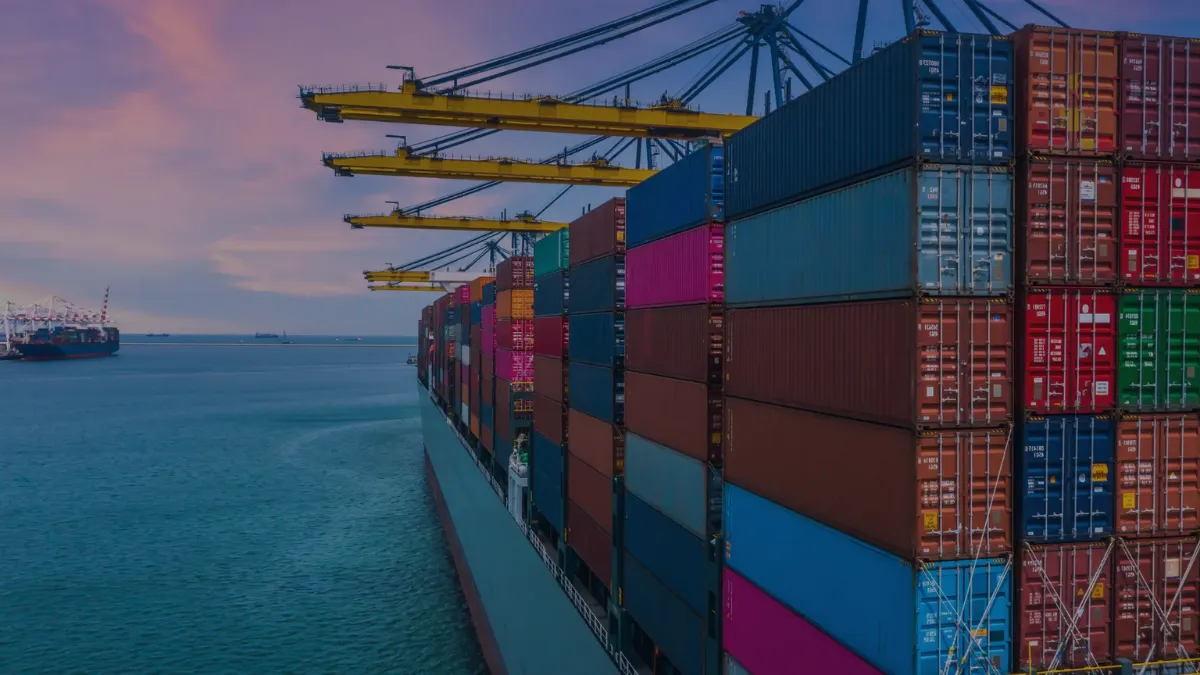

- China's trade surplus reached a record $1.19 trillion in 2025, the first time the annual figure has exceeded $1 trillion, surpassing the previous record of $993 billion set in 2024
- Monthly export surpluses exceeded $100 billion on seven separate occasions during 2025, reflecting sustained export strength despite heightened trade friction with the United States
- The record surplus came as Chinese exporters redirected trade flows toward emerging markets to offset the impact of US tariffs, contributing to a historic reshaping of global trade patterns
China's trade surplus climbed to an all-time high of $1.19 trillion in 2025, marking the first occasion the annual figure has exceeded $1 trillion, according to official customs data released Wednesday. The result represents a significant increase from the previous record of $993 billion set in 2024.
The milestone comes during a period of heightened trade friction, particularly with the United States, where tariff measures have reshaped commercial relationships. Chinese officials at the customs authority characterised the performance as remarkable given the turbulent conditions affecting international commerce.
Monthly export surpluses exceeded $100 billion on seven separate occasions throughout the year, demonstrating sustained demand for Chinese manufactured goods across global markets. While trade flows to the United States declined noticeably, Beijing compensated through expanded sales to Southeast Asian nations, African markets, and countries across Latin America.
Wang Jun, deputy director of China's customs administration, emphasised during Wednesday's briefing that the results were achieved against a backdrop of substantial disruption in the global trading system. He highlighted particular strength in sectors including green energy technology, robotics, and products related to artificial intelligence development.
The widening gap between exports and imports reflects two distinct economic forces. International appetite for Chinese products remained robust, with trade volumes growing across partnerships in South Asia, Europe, and developing economies. Simultaneously, domestic demand inside China has weakened considerably, reducing the country's need for imported goods. Import growth registered just 0.5% for the full year.
China's internal economic challenges have constrained consumer spending and business investment. A protracted property sector downturn and elevated debt levels across multiple segments of the economy have created headwinds that continue to affect purchasing behaviour and corporate expansion plans.
Currency movements have also played a role in export competitiveness. A softer yuan, combined with ample production capacity and elevated price levels in Western economies, has made Chinese goods more attractive to foreign buyers on a cost basis.
Trade policy specialists view the outcome as presenting both opportunities and complications for Beijing. While export revenues support employment and industrial activity, the scale of China's trade surplus may invite additional scrutiny from trading partners facing competitive pressures from lower-priced imports.
The customs authority acknowledged uncertainty ahead, noting that China operates in an unpredictable external environment. Multiple governments have raised concerns about the volume of Chinese products entering their markets at prices that domestic manufacturers struggle to match.
Businesses operating in international markets are preparing for continued volatility. The Trump administration implemented extensive tariff measures in April of last year affecting goods from over 90 countries, with some of the steepest duties applied to Chinese imports. The United States remains the largest destination for Chinese exports despite recent tensions.
The two countries engaged in escalating rhetoric throughout much of the year, with threats of additional levies reaching into triple-digit percentage ranges. The standoff eased following direct discussions between Trump and Chinese President Xi Jinping in South Korea during October, preventing a complete rupture in commercial ties. Certain tariff measures remain active, however, contributing to reduced Chinese shipments to the American market.
Trade analysts have viewed the situation as a test of China's dependence on the United States as an export destination. Beijing has consistently maintained that Chinese enterprises have access to diverse markets globally and are not reliant on any single country for sales.
Looking forward, experts anticipate China's export strength will persist into 2026 as Chinese suppliers become increasingly integrated into international supply chains and distribution networks. The depth of these commercial relationships suggests momentum will continue despite ongoing geopolitical friction.
Industry impact and market implications
The record surplus underscores a fundamental shift in global trade architecture as China redirects commercial flows away from traditional Western markets toward emerging economies. Companies in Southeast Asia, Africa, and Latin America are becoming critical buyers of Chinese manufactured goods, creating new dependencies that could reshape regional economic relationships. For multinational corporations, this diversification presents both opportunities in accessing Chinese supply chains and challenges as local industries in developing markets face intensified competition. The persistent surplus also signals that current tariff strategies have limited effectiveness in rebalancing trade flows, which may prompt policymakers to reconsider approaches to industrial competitiveness. Sectors exposed to Chinese exports, particularly in green technology and advanced manufacturing, should anticipate sustained pricing pressure and market share competition regardless of trade policy interventions.
LATEST NEWS
Satellites and AI used to track UK hedgehogs in bid to slow decline
Elon Musk keeps losing in court. He shows no sign of stopping
Paramount hires first consumer AI chief as Ellison bets on tech
MORE FROM NEWS

.webp)


RELATED






Subscribe for updates
Get the insights, tools, and strategies modern businesses actually use to grow. From breaking news to curated tools and practical marketing tactics, everything you need to move faster and smarter without the guesswork.
Success! Check your Inbox!

Tezons Newsletter
Get curated tools, key business news, and practical insights to help you grow smarter and move faster with confidence.
Latest News



Have a question?
Still have questions?
Didn’t find what you were looking for? We’re just a message away.