Samsung forecasts record quarterly profit on AI chip boom
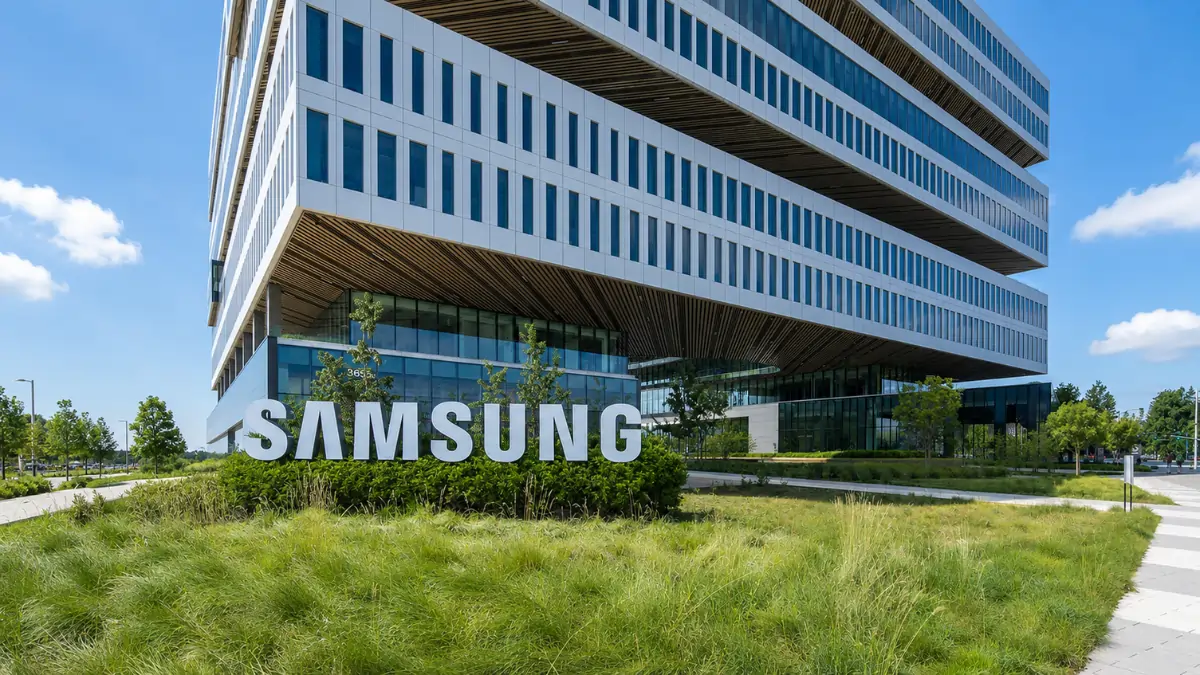

Samsung AI chip demand drives historic profit forecast
Samsung Electronics has forecast record operating profit for the first quarter of 2026, driven by surging demand for artificial intelligence chips that has reshaped the global memory market. The South Korean technology giant projected operating profit of 57.2 trillion won (approximately $37.8 billion) for the January to March period, more than eight times the 6.69 trillion won recorded in the same quarter a year earlier.
The company's estimated consolidated revenue for the quarter reached 133 trillion won, a rise of nearly 70% year on year. If the operating profit figure holds when full earnings are reported later this month, it would represent a quarterly record for Samsung, nearly three times the company's previous high and well ahead of analyst estimates of 42.3 trillion won.
Shares in Samsung rose as much as 4.8% on Tuesday following the guidance release before closing 1.76% higher. Market analysts attribute the strong outlook primarily to the company's memory chip division, which has benefited directly from accelerating investment in AI computing infrastructure worldwide.
High-bandwidth memory becomes the defining product
Demand for high-bandwidth memory chips, which sit at the heart of AI computing systems and are used extensively in graphics processing units, has increased at a pace that has tightened supply across the entire memory market. The shortage has pushed up prices and volumes for memory manufacturers, with Samsung among the primary beneficiaries.
Counterpoint Research analyst MS Hwang told media that Samsung's first-quarter revenue and operating profit had reached a scale comparable with major global technology companies. Hwang projected commodity memory prices to rise by more than 50% in the second quarter of 2026, with supply pressures unlikely to ease in the near term.
Samsung's Device Solutions division, which houses its memory and logic chip operations, accounted for 39% of group revenues and 57% of operating profits in 2025, underscoring how central the semiconductor business has become to the company's overall financial performance.
Samsung closes gap on SK Hynix in high-bandwidth memory
The strong results also reflect a deliberate effort by Samsung to recover ground in high-bandwidth memory chips after its South Korean rival SK Hynix established an early lead in the segment. Samsung had been slower to qualify its HBM products with key customers, most notably Nvidia, but has since accelerated qualification efforts and expanded production capacity to compete more directly.
The high-bandwidth memory segment carries substantially higher margins than conventional memory products, making the competitive battle between Samsung and SK Hynix a central dynamic in the global AI supply chain. Both companies supply chips to the same group of hyperscale data centre operators and AI hardware manufacturers.
Middle East conflict poses supply chain risk
Despite the exceptional profit forecast, Samsung faces potential headwinds from ongoing conflict in the Middle East. The war has disrupted shipments of materials used in semiconductor manufacturing, including helium, a gas critical to several stages of chip production. Samsung and SK Hynix both source materials that pass through affected regions.
Hwang warned that a short resolution to the conflict would have limited financial impact on chipmakers, but a prolonged disruption lasting several months or more could result in material supply shortages and production stoppages. Samsung has not disclosed contingency inventory levels or alternative sourcing arrangements publicly.
Full quarterly earnings, including a breakdown by division, are expected later in April. Investors and analysts will focus on the pace of HBM qualification progress with major customers and any guidance on capital expenditure for the remainder of 2026.
Industry Impact
Samsung's profit forecast signals that the AI hardware investment cycle remains firmly in expansion, with memory chip economics now tracking closely alongside the fortunes of the broader AI infrastructure build-out. For competitors outside the top tier of memory manufacturers, the scale of Samsung's projected margins will intensify pressure to either accelerate product qualification or cede further ground in the HBM segment. The Middle East supply risk introduces a variable that could disrupt the timeline of AI hardware deployment globally, particularly if helium shortages constrain wafer production across multiple fabs simultaneously. Procurement teams at hyperscale operators may begin building strategic buffer inventory in response.
More AI & Tech News




.webp)


Subscribe to Stay in the loop
Get the latest AI and technology news, honest tool reviews, and practical guides delivered straight to your inbox.
Success! Check your Inbox!

Tezons Newsletter
The latest technology news, in-depth tool reviews, and practical guides - curated and delivered to your inbox.
Latest News



Have any questions?
Didn’t find what you were looking for? We’re just a message away.