Bitcoin slips below $71,000 as Trump orders Hormuz blockade
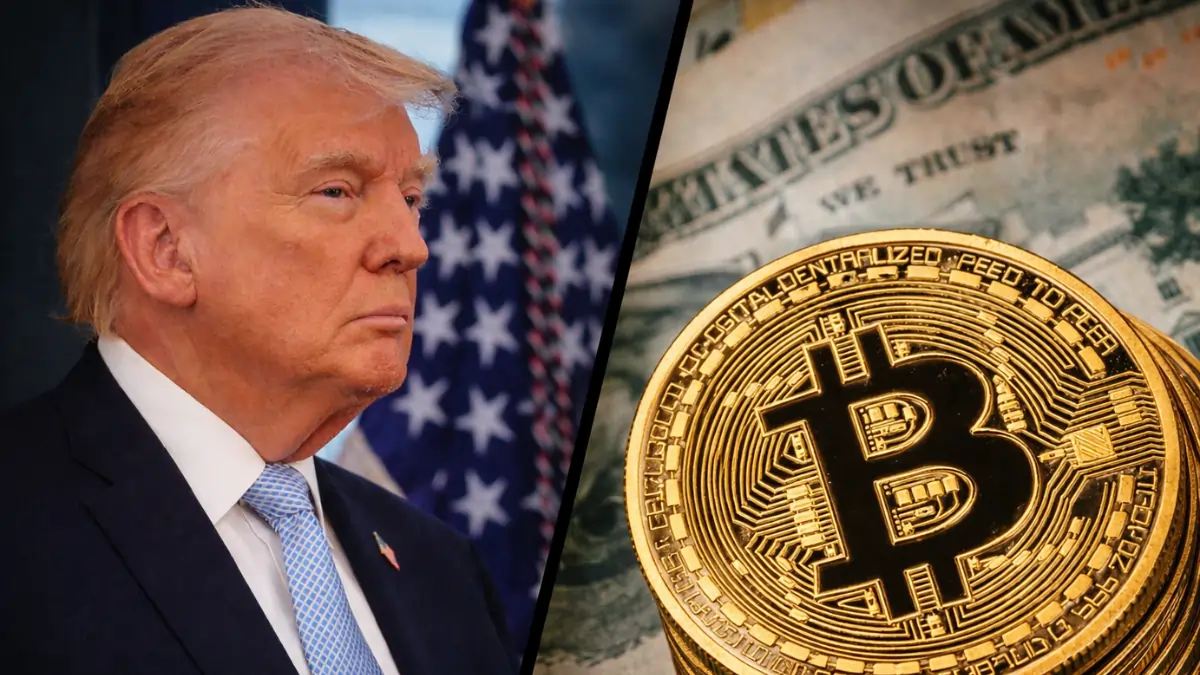

- Bitcoin fell to $70,900 after Trump ordered a US Navy blockade of the Strait of Hormuz, bringing 24-hour losses to 2.5%
- The slide began when Vice President Vance confirmed that US and Iranian ceasefire talks in Pakistan had broken down on Saturday night
- BTC had traded above $73,000 for most of Saturday before geopolitical developments triggered back-to-back sell-offs
Bitcoin falls 2.5% as Trump orders Hormuz blockade
Bitcoin dropped to $70,900 on Sunday morning after President Donald Trump announced that the United States Navy would begin blocking all ships attempting to enter or leave the Strait of Hormuz. The move pushed BTC down 2.5% over 24 hours, erasing gains that had kept the token trading above $73,000 for most of Saturday.
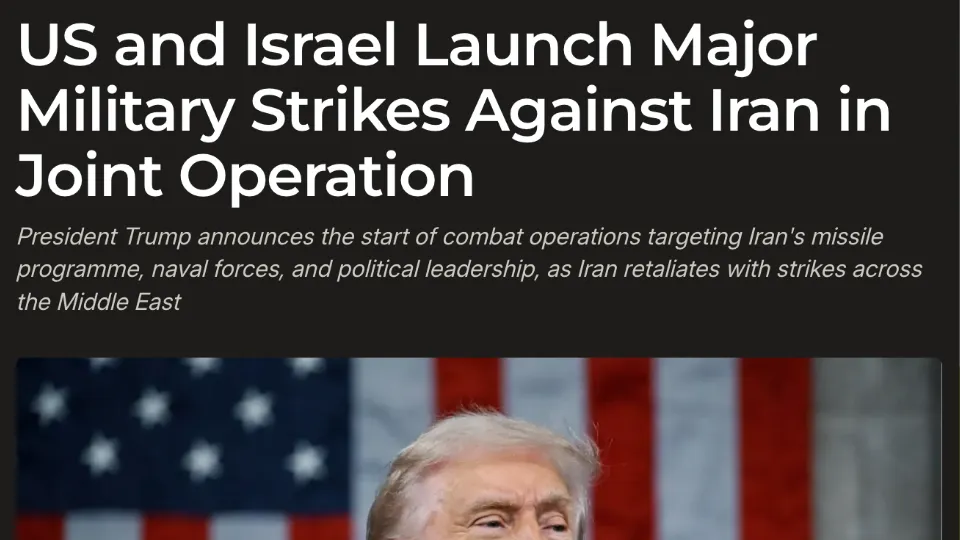
Trump made the announcement via social media, stating that the blockade would take effect immediately. Iran had already restricted most maritime traffic through the strait following US airstrikes in late February, but the formal US blockade represents a significant escalation of military posture in the region.
Ceasefire failure triggered the initial sell-off
The slide in crypto prices began hours before the blockade announcement. Late on Saturday, Vice President J.D. Vance confirmed that US and Iranian negotiators had failed to reach an extended ceasefire agreement following a full weekend of talks in Pakistan. Bitcoin pulled back sharply from the $73,000 range to around $71,500 following Vance's statement.
The subsequent blockade announcement accelerated the decline. In the minutes after Trump posted, BTC fell a further $600 to reach $70,900. Other major tokens followed, with broader crypto markets under pressure during US morning trading on Sunday.
Strait of Hormuz: why it matters to markets
The Strait of Hormuz is one of the world's most critical shipping chokepoints, handling roughly 20% of global oil trade. A sustained blockade raises the prospect of supply disruption, higher energy prices, and tightening financial conditions. Risk assets including equities and digital currencies tend to sell off when geopolitical uncertainty escalates at this scale.
Crypto volatility tracks geopolitical risk in 2026
Bitcoin's reaction to the Hormuz announcement fits a pattern that has emerged throughout 2026. Each major escalation in the US-Iran standoff has produced a short-term sell-off in crypto markets, followed by partial recovery once the initial uncertainty fades. The severity of Sunday's drop reflects how directly traders are now pricing geopolitical risk into digital assets.
Whether this constitutes a floor or the start of a deeper correction depends on how the blockade develops. If oil supply disruption materialises, pressure on risk assets could persist for days or weeks. If negotiations resume and the blockade is quietly unwound, crypto markets may recover quickly, as they did after previous escalation events earlier this year.
Industry impact
Sunday's move underlines a shift in how institutional traders treat Bitcoin. Rather than treating it as a hedge against geopolitical instability, as its early proponents argued, most active participants now treat BTC as a risk asset that sells off alongside equities when uncertainty spikes. This pattern makes the token more correlated with macro conditions and less useful as a portfolio hedge during crisis periods. For retail investors, that distinction matters: holding Bitcoin as protection against geopolitical shock is not supported by its recent price behaviour.
LATEST NEWS
Satellites and AI used to track UK hedgehogs in bid to slow decline
Elon Musk keeps losing in court. He shows no sign of stopping
Paramount hires first consumer AI chief as Ellison bets on tech
MORE FROM NEWS

.webp)


RELATED




Subscribe for updates
Get the insights, tools, and strategies modern businesses actually use to grow. From breaking news to curated tools and practical marketing tactics, everything you need to move faster and smarter without the guesswork.
Success! Check your Inbox!

Tezons Newsletter
Get curated tools, key business news, and practical insights to help you grow smarter and move faster with confidence.
Latest News


Have a question?
Still have questions?
Didn’t find what you were looking for? We’re just a message away.