Bitcoin Falls Below $80,000 as Long-Term Holders Cash Out Gains
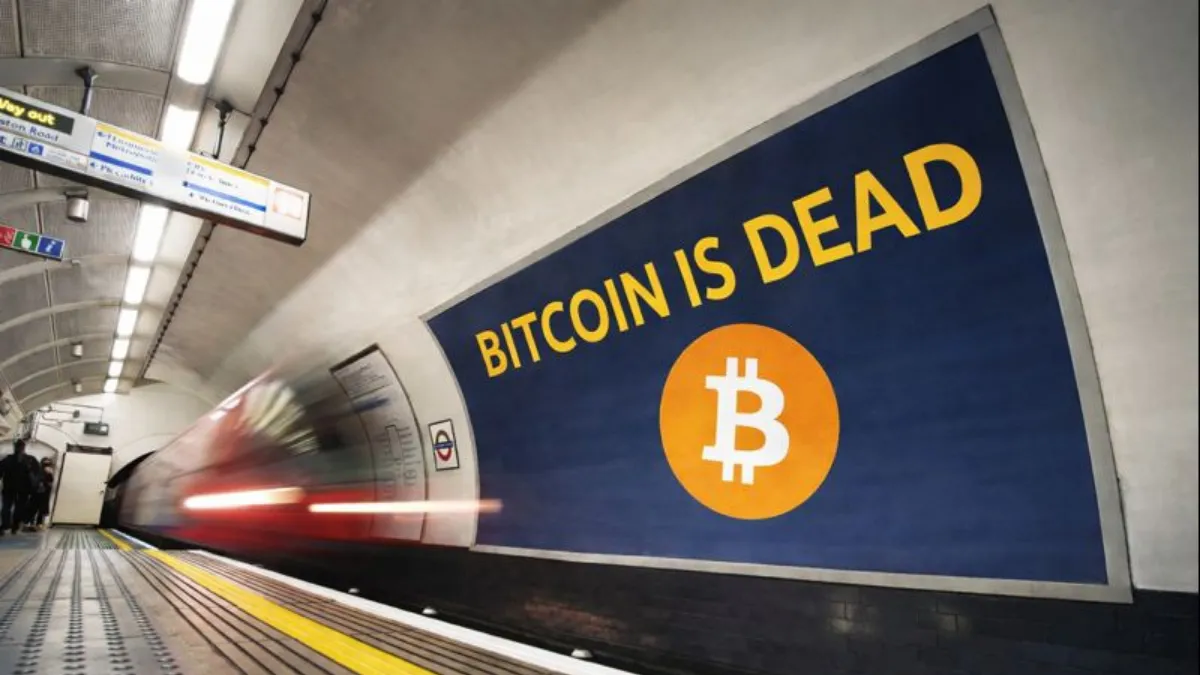

- Bitcoin dropped to as low as $75,709 on Saturday, a single-session fall of approximately 10 per cent and its first move below $80,000 since April
- On-chain data showed stagnant capital inflows and sustained selling from long-term holders who had accumulated during the 2024 rally, creating consistent downward pressure
- Alternative cryptocurrencies fell more sharply than bitcoin, with ether dropping as much as 17 per cent and Solana experiencing even steeper losses
Bitcoin dropped beneath the $80,000 threshold on Saturday for the first time in nine months, marking a significant reversal in what had been a robust rally driven largely by institutional accumulation and exchange-traded fund demand.
The leading digital asset by market capitalisation declined to as low as $75,709.88 during afternoon trading hours in New York, representing a single-session fall of approximately 10%. The move has now pushed bitcoin more than 30% below its recent peak valuation. Alternative cryptocurrencies experienced steeper declines, with ether falling as much as 17% and Solana dropping over 17% in the same timeframe.
Data from CoinGecko indicates the broader digital asset market shed roughly $111 billion in total valuation over a 24-hour period. Coinglass, which tracks derivatives activity, recorded approximately $1.6 billion in liquidations across leveraged positions, with bitcoin and ether accounting for the majority of forced closures.
On-chain analytics point to a fundamental shift in market dynamics. Ki Young Ju, chief executive of blockchain intelligence provider CryptoQuant, highlighted that bitcoin's realised capitalisation, a metric tracking the aggregate cost basis of all coins has remained largely stagnant. This suggests capital inflows have effectively ceased.
"When market cap falls without realised cap growing, that's not a bull market," Ju stated on social media platform X.
The current price action reflects a collision between two forces: sustained profit-taking by early bitcoin holders and a marked absence of new demand. Ju noted that long-term holders accumulated significant unrealized gains throughout 2024, buoyed by continuous purchasing from spot bitcoin exchange-traded funds and corporate treasury strategies, most notably those employed by Strategy (formerly MicroStrategy), led by Michael Saylor.
Whilst institutional buying helped stabilise prices near $100,000 for much of the latter half of 2024, veteran holders have been distributing their positions since early that year. That selling pressure has intensified as fresh capital inflows have slowed sharply.
Strategy's aggressive bitcoin accumulation programme had been a central pillar supporting price levels in recent months. Ju suggested that whilst a severe drawdown of 70%, characteristic of previous cyclical bear markets remains unlikely unless Strategy liquidates its holdings, selling pressure persists with no obvious near-term floor established.
Saturday's decline pushed bitcoin below $76,037 per coin, a level that places Strategy's aggregate position marginally below its average acquisition cost. However, reporting from industry outlets indicates this has not created immediate financial strain for the firm.
The retreat brings bitcoin back to price levels last observed following turbulence in late April, a period referred to in some trading circles as the "Liberation Day" fallout. The downturn compounds weeks of frustration for market participants who had anticipated positive price responses to traditionally supportive macro conditions.
Despite a weaker US dollar persisting through much of January and gold reaching all-time highs, bitcoin failed to rally. Furthermore, when precious metals reversed sharply on Friday, digital assets showed no reciprocal movement, undermining theories that crypto might capture spillover demand as an alternative hedge.
Regulatory uncertainty has also weighed on sentiment. Anticipated clarity around new US market structure rules for digital assets has yet to materialise, contributing to eroded confidence among institutional and retail participants alike.
Ju anticipates the current downturn will not resolve through a sharp rebound. Instead, he expects an extended phase of sideways price action.
"This bear market is more likely to form a wide-ranging consolidation," he said.
Industry Impact and Market Implications
The sharp decline below $80,000 carries broader implications for the digital asset ecosystem beyond immediate price movements. Exchange-traded fund providers, which have been central to institutional adoption narratives, may face redemption pressures if investor confidence continues to wane. Spot bitcoin ETF flows have already shown signs of stagnation, and prolonged price weakness could test the resilience of this relatively new investment vehicle.
For corporate treasury strategies similar to that employed by Strategy, the current environment presents a challenging precedent. Whilst the firm's position remains solvent despite paper losses, other publicly traded entities holding bitcoin may face increased scrutiny from shareholders and auditors if valuations remain depressed. This could slow the broader trend of corporate bitcoin adoption that gained momentum throughout 2024.
Mining operations are also under renewed pressure. With bitcoin prices falling more than 30% from recent highs, miners operating with higher production costs may face margin compression. This typically leads to network hashrate adjustments and, in severe cases, capitulation events where weaker operators are forced offline.
The stagnation in realised capitalisation, indicating an absence of new participants entering the market raises questions about retail and institutional appetite during a period many had expected to see sustained growth. If fresh capital continues to avoid the sector, the market may lack the demand necessary to absorb ongoing distribution from long-term holders, potentially extending the consolidation phase outlined by on-chain analysts.
From a regulatory perspective, the delay in finalising US market structure rules adds another layer of uncertainty. Clear frameworks are often cited as prerequisites for further institutional participation. The absence of such clarity may continue to suppress demand from regulated entities, including pension funds and registered investment advisers, who require defined compliance pathways before allocating capital.
Platform and infrastructure providers could see reduced activity if the sideways trading environment persists. Lower volatility and declining volumes typically result in decreased trading fees for exchanges and reduced utilisation of decentralised finance protocols. This may affect revenue projections across the sector and could influence hiring, development roadmaps, and expansion plans.
The broader macro context also remains relevant. Bitcoin's failure to rally despite a weaker dollar and record gold prices challenges longstanding narratives around its role as a hedge asset. If this dynamic continues, it may prompt reassessment of bitcoin's correlation patterns and its positioning within diversified portfolios.
Overall, the current market structure suggests a period of recalibration rather than outright collapse. However, the duration and depth of any consolidation will largely depend on whether new capital emerges and how existing holders manage their positions in the absence of immediate catalysts.
LATEST NEWS
Satellites and AI used to track UK hedgehogs in bid to slow decline
Elon Musk keeps losing in court. He shows no sign of stopping
Paramount hires first consumer AI chief as Ellison bets on tech
MORE FROM NEWS

.webp)


RELATED






Subscribe for updates
Get the insights, tools, and strategies modern businesses actually use to grow. From breaking news to curated tools and practical marketing tactics, everything you need to move faster and smarter without the guesswork.
Success! Check your Inbox!

Tezons Newsletter
Get curated tools, key business news, and practical insights to help you grow smarter and move faster with confidence.
Latest News




Have a question?
Still have questions?
Didn’t find what you were looking for? We’re just a message away.