How search visibility is shifting towards conversational AI
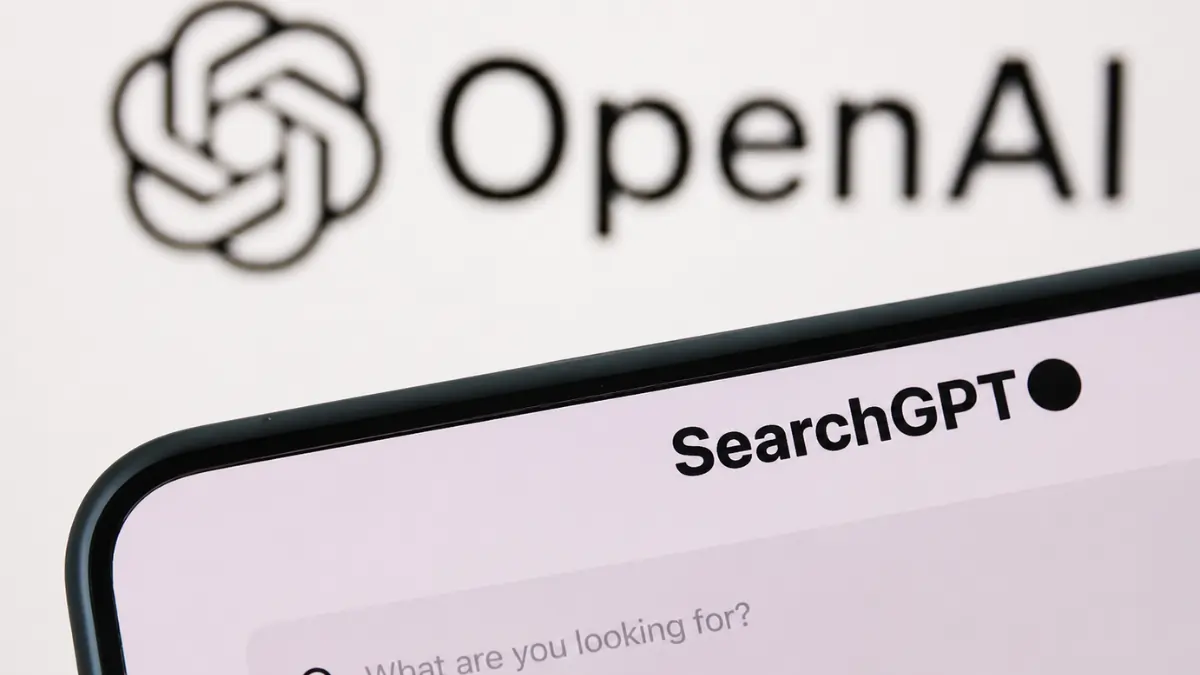

Search behaviour has fundamentally transformed. Consumers increasingly rely on artificial intelligence tools such as ChatGPT, Google AI Overviews, Perplexity and Gemini to find answers, compare products and make purchasing decisions. These platforms deliver synthesised responses directly to users, compressing what was once a multi step research journey into a single conversational interaction.
Recent research indicates that nearly three quarters of consumers plan to increase their use of AI powered search when shopping. This represents a significant departure from traditional search engine behaviour, where users would click through multiple pages to gather information. Instead, modern searchers receive comprehensive answers without ever visiting a website.
For businesses, this evolution presents both challenges and opportunities. Brands that fail to optimise their content for AI discovery risk becoming invisible in these new search experiences. Meanwhile, competitors who structure their information effectively may capture attention at critical decision making moments, often before a potential customer ever clicks through to a website.
The stakes extend beyond simple visibility. When AI systems generate answers about a company's products, services or pricing, they pull information from across the web. If a business hasn't provided clear, accurate content, these systems may cite outdated details, competitor comparisons or even negative commentary from social platforms. This means marketing departments can no longer rely solely on traditional SEO tactics. They must ensure their content can be easily parsed, understood and cited by AI models.
Why AI discoverability matters for revenue
Traditional search engine optimisation focused primarily on securing high rankings and generating clicks. However, AI powered answer engines have introduced a new reality where many valuable interactions never result in website visits. Users receive synthesised answers directly within the AI interface, potentially making purchase decisions without viewing the original source material.
This shift doesn't diminish the importance of content visibility. Rather, it elevates the value of being cited and referenced within AI generated responses. When a brand's information appears in an AI answer, it influences perception and builds trust before any direct engagement occurs.
Control over brand narrative
AI systems construct responses by drawing from multiple sources across the internet. If a company's own content lacks clarity or consistency, these systems may rely more heavily on third party descriptions, reviews or comparisons. This can result in inaccurate or incomplete brand representations.
For example, when users ask AI tools about product recommendations, the systems often cite technology review sites, comparison platforms or user generated content rather than the manufacturer's own materials. Whilst third party validation can be valuable, businesses lose control over key messaging when their authoritative content isn't optimised for AI extraction.
Precision in user intent matching
Modern AI search queries tend to be highly specific and contextual. Users pose detailed questions that reveal clear commercial intent, such as requesting recommendations for particular use cases, budget ranges or feature requirements. When content directly addresses these precise needs, it stands a better chance of appearing in AI responses.
This level of specificity requires deep understanding of target audiences. Marketing teams must move beyond broad keyword targeting to address the exact concerns and requirements of potential customers at different stages of their decision journey. Content that resonates with these micro intents becomes significantly more valuable in an AI driven search environment.
Higher quality prospect generation
Unlike traditional search impressions, which can be broad and exploratory, visibility within AI answers typically correlates with highly qualified interest. Users who receive brand mentions in AI responses have often asked very specific questions that indicate genuine purchase consideration.
This means that when these prospects do eventually visit a website, they tend to be further along in their decision process and more likely to convert. The AI interaction has already established initial trust and provided contextual information, reducing the education burden on the website itself.
Direct revenue attribution
Whilst many AI interactions are informational, an increasing number involve direct commercial research. Users compare pricing, evaluate features and even initiate purchases based on information provided within AI interfaces. Although these transactions may represent a small percentage of overall queries currently, they represent a growing segment that businesses cannot afford to ignore.
Marketing teams can track conversions from AI referrals through analytics platforms, attributing revenue directly to AI visibility. Early data from businesses implementing AI optimisation strategies shows measurable conversion improvements from these traffic sources, with some companies reporting conversion rates that match or exceed traditional organic search.
Six strategic priorities for AI visibility
Businesses adapting to AI powered search are focusing their efforts across six core areas, each designed to improve how AI systems discover, understand and cite their content.
1. Geographic targeting through location specific content
Service businesses and companies with physical locations are finding particular value in creating dedicated pages for specific geographic areas. These location focused pages provide AI systems with clear, structured information about where services are available and what makes each location unique.
Effective location pages include complete contact details, service descriptions, operating hours and locally relevant information. They use structured data markup to help AI systems understand geographic relevance, making the content more likely to appear in location based queries.
The key distinction lies in authenticity. Businesses should only create location pages for areas where they genuinely operate or provide consistent service. Creating false geographic presences damages credibility and reduces AI systems' willingness to cite the content.
Local optimisation works because it aligns with how users phrase conversational queries. Someone asking an AI tool about services "near me" or in a specific city expects precise, location aware responses. Businesses that provide this structured geographic information position themselves to capture this intent.
2. Answer centric content structure
AI systems prioritise content that presents key information immediately and clearly. The traditional approach of building suspense or burying important details deep within articles proves ineffective when AI models scan for extractable facts.
Content structured for AI discovery places the core answer directly under relevant headings, uses clear formatting such as lists and bold text for emphasis, and provides concise explanations before elaborating with additional context. This approach serves both AI systems and human readers, who increasingly prefer scannable content.
The format mirrors journalistic writing techniques that have existed for decades, where the most important information appears first and subsequent paragraphs add supporting detail. However, this structure has become increasingly critical as AI systems extract snippets from content to construct their responses.
3. Maintaining consistency across entities
AI systems build understanding through entity recognition, identifying consistent information about companies, products, services and key facts across multiple sources. When details vary between pages or platforms, it reduces the system's confidence in citing that information.
Businesses must ensure that core facts such as company names, product descriptions, pricing structures, service offerings and differentiators remain consistent everywhere they appear online. This includes owned properties, directory listings and any platform where the business maintains a presence.
Changes to fundamental business information require updates across all touchpoints. If a company relocates, updates pricing or modifies service offerings, these changes must be reflected comprehensively to maintain entity consistency and preserve AI citation likelihood.
4. Measuring AI impact alongside traditional metrics
As AI generated answers reduce website click through rates, businesses are developing new measurement frameworks that account for visibility without direct traffic. Traditional metrics such as rankings and impressions tell an incomplete story when significant value comes from citations within AI responses.
Forward thinking marketing teams now track metrics including citation frequency, mention quality, brand positioning within AI answers and assisted conversions influenced by AI exposure. These measurements provide insight into organic influence even when users never visit the website.
This requires building new reporting frameworks and dashboards that combine page performance data with AI visibility metrics and conversion impact. The goal is understanding the full customer journey, including interactions that occur entirely within AI interfaces.
5. Unifying optimisation approaches
Rather than treating AI optimisation as separate from traditional SEO, successful businesses are integrating both into a single cohesive strategy. Many tactics that improve traditional search performance also enhance AI visibility, including creating clear, authoritative content, implementing structured data and ensuring technical site health.
The key difference lies in emphasising answer ready formatting, entity consistency and extraction friendly content structure. These elements layer onto existing SEO foundations rather than replacing them, creating content that performs well across both traditional search results and AI generated responses.
6. Optimising multiple content formats
AI systems increasingly extract information from diverse content types beyond text, including video transcripts, audio content and multimedia resources. Some platforms can even identify specific moments within videos where relevant answers appear, directing users to exact timestamps.
This creates opportunities for businesses producing video and audio content to gain AI visibility through proper formatting and metadata. Adding complete transcripts, clear chapter markers and descriptive titles helps AI systems identify and extract relevant information from these formats.
Integrating AI optimisation with existing marketing
Businesses implementing AI optimisation strategies can integrate this work into existing marketing workflows rather than creating entirely separate processes. The following approach outlines key integration points.
Research and audience understanding
AI optimisation begins with deep audience insight that goes beyond traditional keyword research. Marketing teams need to understand the specific problems audiences face, how they articulate these challenges and which AI tools they prefer for research.
Developing detailed buyer personas helps teams identify decision making patterns, informational needs and the precise language potential customers use. This foundation enables creating content that resonates with both AI systems and human readers.
Content development processes
Content remains central to AI visibility, as these systems can only cite information that exists in accessible formats. However, the structure and presentation of this content requires careful attention to ensure AI systems can easily extract and understand key facts.
Many businesses find that adapting existing content proves more efficient than creating entirely new materials. This involves adding answer focused summaries at the beginning of pages, standardising factual claims for consistency, improving structured data markup and ensuring headings match how users phrase questions.
Marketing platforms with built in optimisation tools streamline this process, providing recommendations for structure, technical improvements and content gaps whilst tracking performance across both traditional search and AI visibility metrics.
Technical implementation
Even exceptional content fails to generate AI citations if systems cannot properly parse it. Technical optimisation ensures websites can be crawled effectively and that key information is properly tagged through structured data markup.
Schema implementation helps AI systems verify facts, understand relationships between entities and extract accurate information. This structured data reinforces authority and increases citation likelihood by providing machine readable confirmation of key details.
Analysis and measurement
AI optimisation must be incorporated into regular SEO reporting and analysis rather than tracked separately. This means evaluating both traditional performance metrics and AI specific indicators during standard review cycles.
Effective analysis examines which pages generate AI citations, how those citations influence broader customer journeys and whether content modifications improve AI visibility alongside traditional rankings. This integrated view reveals the full impact of content investments.
Continuous refinement
As AI systems evolve and search behaviour continues shifting, businesses must continuously refine their approach based on performance data. This involves identifying high performing content patterns, testing new formats and structures, and adapting to changes in how AI platforms extract and present information.
Regular measurement cycles should track pages viewed from AI sources, conversion rates from AI traffic, citation frequency and quality, and the relationship between AI visibility and broader business outcomes.
What this means going forward
The transformation of search through AI represents a fundamental shift in how businesses earn attention and influence purchase decisions. Traditional approaches focused on ranking positions and click through rates no longer capture the full value of content visibility.
Businesses that adapt their content strategies to prioritise AI discoverability alongside traditional search performance will maintain relevance as consumer search behaviour continues evolving. This requires moving beyond keyword targeting to truly understanding audience needs, structuring content for easy extraction and ensuring consistency across all digital touch points.
The most significant implication lies in how marketing teams measure success. Whilst website traffic remains important, influence increasingly happens before the click, within the AI interface itself. Organisations must develop measurement frameworks that account for this reality, tracking citations, mentions and assisted conversions rather than relying solely on direct attribution models.
Furthermore, businesses cannot afford to neglect this shift whilst maintaining existing SEO efforts. The most effective approach integrates both strategies, recognising that AI optimisation represents the natural evolution of search rather than a separate discipline. Content that performs well in traditional search engines whilst being structured for AI extraction delivers maximum return on investment.
Looking ahead, the gap between businesses optimising for AI visibility and those relying solely on traditional tactics will likely widen. Early adopters are already seeing measurable improvements in lead quality, conversion rates and brand perception. As AI powered search continues gaining adoption, these advantages will compound, making it increasingly difficult for late movers to catch up.
The businesses that thrive will be those that view AI optimisation not as a technical challenge but as a strategic opportunity to control their narrative, reach highly qualified prospects and demonstrate expertise at critical decision making moments. This requires investment in audience research, content quality and measurement capabilities, but the returns justify the effort for organisations committed to long term competitive positioning.
More AI & Tech Blogs





Latest AI & Tech Blogs


Subscribe to Stay in the loop
Get the latest AI and technology news, honest tool reviews, and practical guides delivered straight to your inbox.
Success! Check your Inbox!

Tezons Newsletter
The latest technology news, in-depth tool reviews, and practical guides - curated and delivered to your inbox.
Latest News




Have a question?
Have any questions?
Didn’t find what you were looking for? We’re just a message away.