The Trillion-Dollar Milestone: What the World's First Trillionaire Will Mean for Business
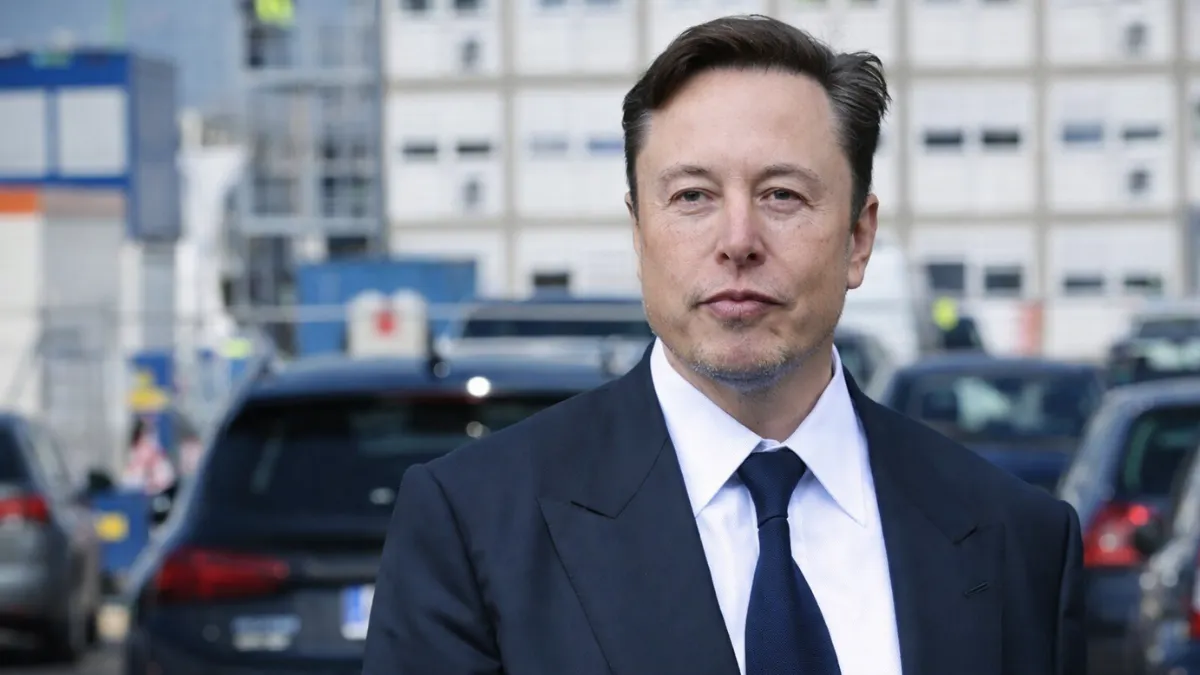

- Elon Musk is projected to become the world's first trillionaire as early as 2027, driven by a potential SpaceX public listing or Tesla compensation triggers
- Jeff Bezos, Jensen Huang, and Gautam Adani are also on trajectories toward trillion-dollar wealth, though current projections place Musk significantly ahead
- Legal experts warn that wealth concentration at this scale signals systemic dysfunction in distribution, with equity appreciation outpacing legitimate wage growth for workers
A thousand billion pounds. That extraordinary sum could acquire the entire residential property stock of a major metropolitan county, fund stadium attendance for centuries, or purchase multiple Fortune 500 companies simultaneously.
This financial milestone is no longer theoretical. Technology entrepreneur Elon Musk stands positioned to become the world's first individual trillionaire, potentially as early as 2027. Two pathways could deliver this outcome: a public listing of SpaceX at valuations exceeding £1.2 trillion, or Tesla achieving performance targets that trigger his controversial compensation agreement, recently validated by shareholder vote and judicial review.
Musk leads a small cohort of candidates for trillionaire status. Amazon's Jeff Bezos, Nvidia's Jensen Huang, and Indian conglomerate leader Gautam Adani each possess wealth trajectories pointing towards the trillion-pound mark, though current projections place Musk significantly ahead.
The emergence of personal wealth at this scale would represent more than a numerical curiosity. According to David Himelfarb, managing partner at Toronto law firm Himelfarb Proszanski, the milestone signals systemic dysfunction in wealth distribution.
"When an individual can accumulate resources a thousand times greater than a billion through equity positions and market timing, whilst workers struggle with legitimate compensation claims following workplace injuries, we face fundamental questions about our economic priorities," Himelfarb stated.
The concentration of wealth through equity appreciation has created a bifurcated system, say compensation analysts. Workers remain tethered to local wage markets whilst ownership stakes generate returns linked to global capital movements.
Ed Gibbons, co-founder of B2B sales platform ChaseLabs, argues the issue transcends executive pay debates. "The question centres on who participates in value creation at scale. Productivity improvements driven by technology adoption are not being distributed in ways that workers perceive as equitable or credible."
Corporate governance shows limited appetite for restraint on executive compensation, Gibbons noted. Boards continue treating senior leaders as irreplaceable value drivers, justifying escalating pay packages regardless of broader economic pressures.
Despite current trajectories, multiple structural barriers prevent trillionaire status from becoming commonplace. Gordon Cummins, chief executive of enterprise software firm Cudio, explains that reaching a trillion pounds personally requires sustained control of exceptionally large equity positions across multiple high-growth platforms.
"Individual fortunes face constraints that corporate valuations do not," Cummins observed. "Dilution, governance requirements, tax obligations, and diversification pressures typically cap personal wealth accumulation well before the trillion-pound threshold, even for founders of multi-trillion enterprises."
Cummins projects at most one trillionaire emerging over the next decade. Estate planning, philanthropic commitments, and regulatory scrutiny create practical ceilings as wealth expands. Only founder-operators maintaining significant control across multiple transformative platforms possess realistic pathways to this level.
The equity-centric compensation model that enables trillionaire-level accumulation remains inaccessible to employees outside founder and C-suite circles. Himelfarb characterises this as a wealth-generation mechanism operating on entirely different principles than wage-based income.
"Professional workers, even highly compensated ones, cannot replicate the compounding effects available through substantial equity ownership," he said. "The structural advantages compound at rates fundamentally unavailable to salary earners."
This asymmetry presents uncomfortable contrasts. Workers contributing decades of service face insurance obstacles when seeking legitimate compensation for workplace injuries, whilst wealth accumulation at unprecedented scales proceeds largely unchallenged.
"We've constructed parallel systems," Himelfarb concluded. "One celebrates inevitable concentration at the top as entrepreneurial success, whilst the other increasingly restricts access to earned benefits for injured employees. The contradiction deserves scrutiny."
Industry impact and market implications
The emergence of the first trillionaire carries significant implications for corporate governance, compensation structures, and stakeholder capitalism debates. Companies may face intensified pressure from institutional investors and advocacy groups to address pay ratios and wealth distribution, particularly as artificial intelligence adoption drives productivity gains without proportional wage growth.
Executive compensation committees could encounter stronger resistance to equity-heavy packages, though current evidence suggests boards remain committed to market-rate pay for perceived talent. The concentration of wealth through founder equity positions may accelerate discussions around capital gains taxation and wealth transfer policies across major economies.
Technology sector valuations will face heightened scrutiny as vehicles for personal wealth accumulation. Public market investors may demand clearer governance frameworks around founder control and equity concentration, particularly in pre-IPO valuations. The trillionaire threshold could catalyse regulatory examination of monopolistic market positions that enable such wealth concentration.
Labour markets may experience increased organisation efforts as the gap between equity-based wealth creation and wage compensation becomes more visible. Companies heavily reliant on equity incentives for retention could face challenges as employees seek more immediate participation in value creation.
Financial services firms managing ultra-high-net-worth relationships will develop new structures for trillion-pound portfolios, influencing asset allocation patterns and market liquidity. Philanthropic organisations may see unprecedented capital inflows if trillionaires follow established patterns of charitable giving at scale.
LATEST NEWS
Satellites and AI used to track UK hedgehogs in bid to slow decline
Elon Musk keeps losing in court. He shows no sign of stopping
Paramount hires first consumer AI chief as Ellison bets on tech
MORE FROM NEWS

.webp)


RELATED






Subscribe for updates
Get the insights, tools, and strategies modern businesses actually use to grow. From breaking news to curated tools and practical marketing tactics, everything you need to move faster and smarter without the guesswork.
Success! Check your Inbox!

Tezons Newsletter
Get curated tools, key business news, and practical insights to help you grow smarter and move faster with confidence.
Latest News



Have a question?
Still have questions?
Didn’t find what you were looking for? We’re just a message away.