YouTube Places AI Content Moderation at Centre of 2026 Strategy
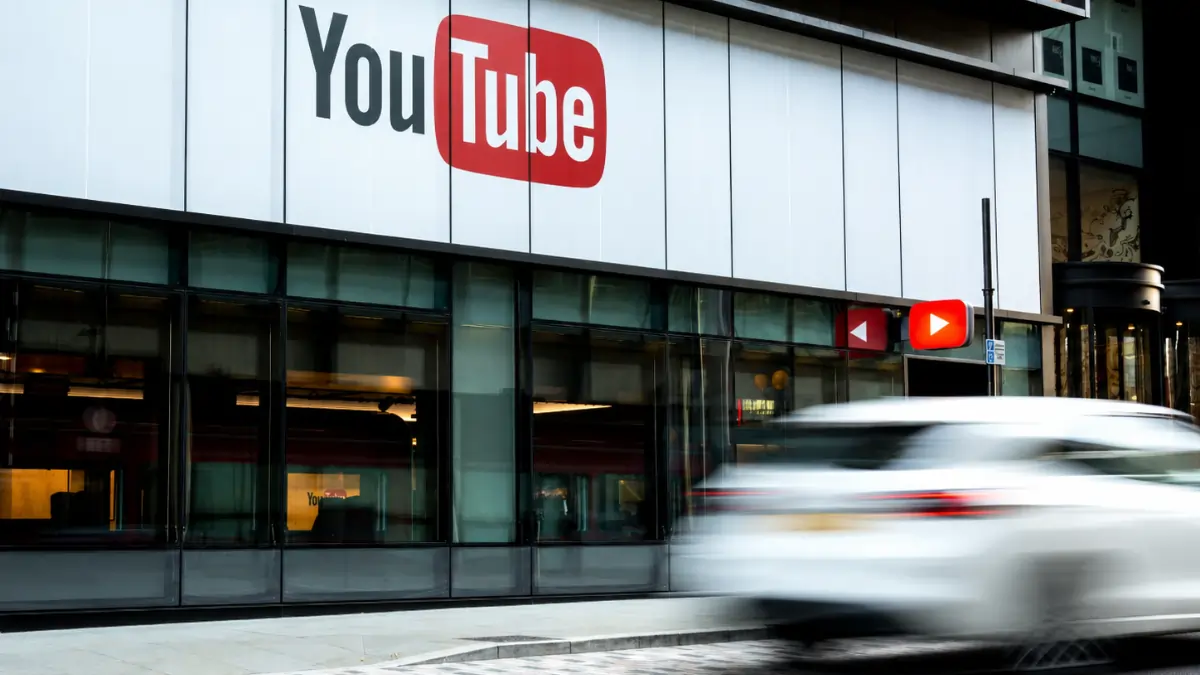

YouTube has identified artificial intelligence generated content management as a central operational focus for the coming year, as the video platform confronts rising volumes of synthetic media.
Neal Mohan, who leads the Google subsidiary, outlined the company's approach in an annual communication issued this week. The executive highlighted growing difficulty in distinguishing authentic material from algorithmically produced content, particularly concerning manipulated imagery that mimics real individuals.
The challenge reflects broader shifts affecting technology companies as generative AI tools become widely accessible. Google has allocated substantial resources toward computational infrastructure capable of supporting emerging workloads, whilst simultaneously developing its Gemini language models and integrating artificial intelligence capabilities throughout its product range.
YouTube faces distinct pressures as one of the internet's largest repositories of user submitted video. The platform is experiencing significant increases in AI generated uploads, contributing to what observers describe as low grade synthetic content spreading across social networks. Other major services including those operated by Meta and ByteDance employ recommendation algorithms that present personalised video selections intended to maximise user attention.
Mohan characterised the current moment as pivotal, noting the convergence of creative and technological processes.
The platform intends to leverage existing systems previously deployed against spam and deceptive headlines to address repetitive, substandard AI material. YouTube mandates labelling for content produced through artificial intelligence tools and requires disclosure when creators upload altered footage. Automated systems remove synthetic media that breaches community standards.
Maintaining platform appeal across users, content producers and commercial partners remains essential to YouTube's commercial model.
Last month, the company announced expansion of its likeness detection capability, which identifies unauthorised use of creator appearances in manipulated videos. The technology is being made available to millions enrolled in YouTube's monetisation programme.
YouTube positions artificial intelligence as an assistive technology rather than a substitute for human creativity. More than one million channels reportedly used the company's AI creation features daily during December.
The platform is broadening AI accessibility for creators, including within its short format video product that competes with rival services. Planned capabilities include personalised avatar generation, text prompted interactive content and music experimentation tools.
Mohan described content creators as contemporary media producers, noting some are acquiring production facilities to develop programming. The company is introducing additional revenue mechanisms, spanning retail integration and direct audience support features.
Youth safety represents another stated priority. YouTube plans to simplify parental account configuration and management for younger users.
The platform disclosed in autumn that it had distributed over $100 billion to creators, musicians and media organisations since 2021. Independent analysts have valued YouTube as a standalone entity at between $475 billion and $550 billion.
Industry impact and market implications
YouTube's emphasis on AI content governance signals a maturation phase for generative technology across consumer platforms. As synthetic media creation tools democratise, platforms face mounting operational complexity in maintaining content quality whilst avoiding over censorship that might stifle legitimate creative use.
The expansion of likeness detection technology addresses growing concern about identity misuse, a risk that extends beyond entertainment into misinformation and fraud. By implementing such safeguards at scale, YouTube may establish industry benchmarks that influence regulatory expectations and competitor approaches.
The platform's dual strategy of controlling low quality AI output whilst simultaneously expanding creator AI tools reflects a calibrated approach to emerging technology. This balance acknowledges that artificial intelligence can enhance production efficiency and creative possibilities when properly directed, whilst unmoderated synthetic content risks degrading user experience and advertiser confidence.
YouTube's substantial creator payouts and estimated valuation underscore the platform's economic significance within digital media. Its policy decisions on AI governance will likely ripple through the creator economy, potentially affecting which types of AI assisted content receive algorithmic promotion and monetisation approval.
The youth focused initiatives also carry strategic weight. As younger demographics represent future user bases and content creators, platforms that successfully navigate parental concerns about AI generated material may secure long term competitive advantages. How YouTube implements age appropriate AI content filtering could inform broader discussions about child safety in algorithmically curated environments.
More AI & Tech News


.webp)


Subscribe to Stay in the loop
Get the latest AI and technology news, honest tool reviews, and practical guides delivered straight to your inbox.
Success! Check your Inbox!

Tezons Newsletter
The latest technology news, in-depth tool reviews, and practical guides - curated and delivered to your inbox.
Latest News


Have any questions?
Didn’t find what you were looking for? We’re just a message away.