Walmart Reaches Historic $1 Trillion Valuation Milestone
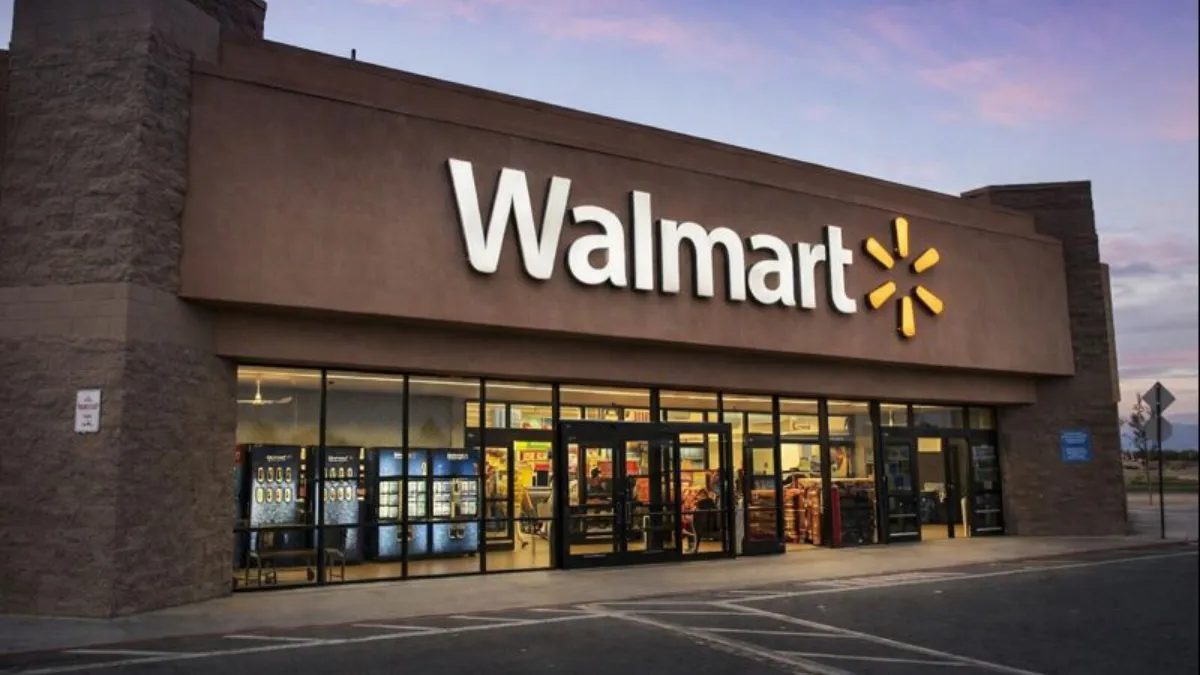

- Walmart reached a $1 trillion market capitalisation, becoming the first traditional brick-and-mortar retailer to reach this threshold and joining a group previously dominated by technology companies
- The milestone reflects Walmart's successful transition to a multi-channel retailer, with significant momentum in e-commerce, digital advertising, and membership services complementing its core store network
- Walmart's $1 trillion valuation surpasses the market capitalisation of all but a handful of the world's largest technology companies, a remarkable achievement for a business rooted in physical retail
The American retail corporation Walmart has achieved a market capitalisation of $1 trillion, marking an unprecedented milestone for a traditional brick-and-mortar retail business. The valuation places the company alongside a select group of corporations, predominantly technology firms, that have reached this threshold.
Shares in the retailer climbed more than 3% during Tuesday trading, reflecting sustained investor enthusiasm for the company's strategic direction. The achievement comes as Walmart demonstrates strength across multiple revenue streams, with particular momentum in its digital operations.
The corporation has capitalised on shifting consumer behaviour as households across income levels increasingly prioritise value. Economic headwinds, including persistent inflation and labour market softening, have driven higher-income consumers towards more affordable alternatives. Walmart's competitive pricing model has positioned it to capture this demographic shift.
Recent quarterly results highlighted robust performance across core categories. Grocery and apparel divisions both reported strong sales growth in the company's November earnings disclosure. The retailer's rapid fulfilment capabilities have proven particularly effective in attracting customers from diverse economic backgrounds.
John David Rainey, serving as chief financial officer, previously characterised the company's market position as uniquely resilient. The executive emphasised Walmart's value-focused approach as a protective factor amid broader economic uncertainty.
Trade policy developments under President Donald Trump's administration have presented operational challenges, though company leadership indicates the impact has been less severe than anticipated. Import levies have affected pricing for certain product categories, including consumer electronics and recreational goods. However, Walmart's purchasing scale has enabled the business to absorb costs more effectively than smaller competitors.
Digital expansion has emerged as a critical growth driver. United States e-commerce revenue surged 28% in the quarter ending October 31st, propelled by online transactions and advertising revenue. This performance has positioned Walmart as a credible challenger to Amazon in the digital retail space, though Amazon maintains a market valuation exceeding $2.6 trillion.
Artificial intelligence adoption has garnered particular attention from Wall Street analysts. The company's technological investments have contributed substantially to valuation gains in recent months. Chief executive John Furner, who assumed leadership shortly before the $1 trillion milestone, has championed AI integration across operations.
October saw Walmart announce a collaboration with OpenAI, designed to enable customers and Sam's Club members to organise meal planning, replenish household items, and explore product catalogues through conversational interfaces.
Strategic decisions have reinforced the retailer's technology-forward positioning. The company transferred its stock listing from the New York Stock Exchange to the Nasdaq in late 2024, aligning itself with the exchange's technology-focused identity.
Walmart stands as the inaugural traditional retailer to enter the trillion-dollar valuation category. Technology companies continue to dominate this exclusive group, though investment conglomerate Berkshire Hathaway joined in 2024. Pharmaceutical manufacturer Eli Lilly briefly exceeded the threshold last year before retreating below the mark.
Industry impact and market implications
Walmart's trillion-dollar valuation signals a fundamental shift in how investors assess traditional retail businesses. The achievement validates the strategic pivot towards digital infrastructure and demonstrates that legacy retailers can compete effectively in technology-driven markets when supported by operational scale and value proposition.
The milestone may accelerate competitive pressure on other physical retailers to enhance their digital capabilities and AI adoption. Walmart's success in attracting higher-income consumers through value positioning could intensify price competition across the sector, potentially compressing margins for rivals with weaker purchasing power.
For the broader retail landscape, Walmart's performance indicates that omnichannel strategies combining physical presence with robust e-commerce can command technology-sector valuations. This may influence capital allocation decisions across the industry, with increased investment directed towards fulfilment infrastructure, digital advertising platforms, and artificial intelligence applications.
The company's ability to manage tariff impacts through scale advantages highlights competitive disparities in the current trade environment. Smaller retailers may face increased pressure as import costs affect pricing flexibility, potentially driving further market consolidation.
LATEST NEWS
Satellites and AI used to track UK hedgehogs in bid to slow decline
Elon Musk keeps losing in court. He shows no sign of stopping
Paramount hires first consumer AI chief as Ellison bets on tech
MORE FROM NEWS

.webp)


RELATED






Subscribe for updates
Get the insights, tools, and strategies modern businesses actually use to grow. From breaking news to curated tools and practical marketing tactics, everything you need to move faster and smarter without the guesswork.
Success! Check your Inbox!

Tezons Newsletter
Get curated tools, key business news, and practical insights to help you grow smarter and move faster with confidence.
Latest News




Have a question?
Still have questions?
Didn’t find what you were looking for? We’re just a message away.